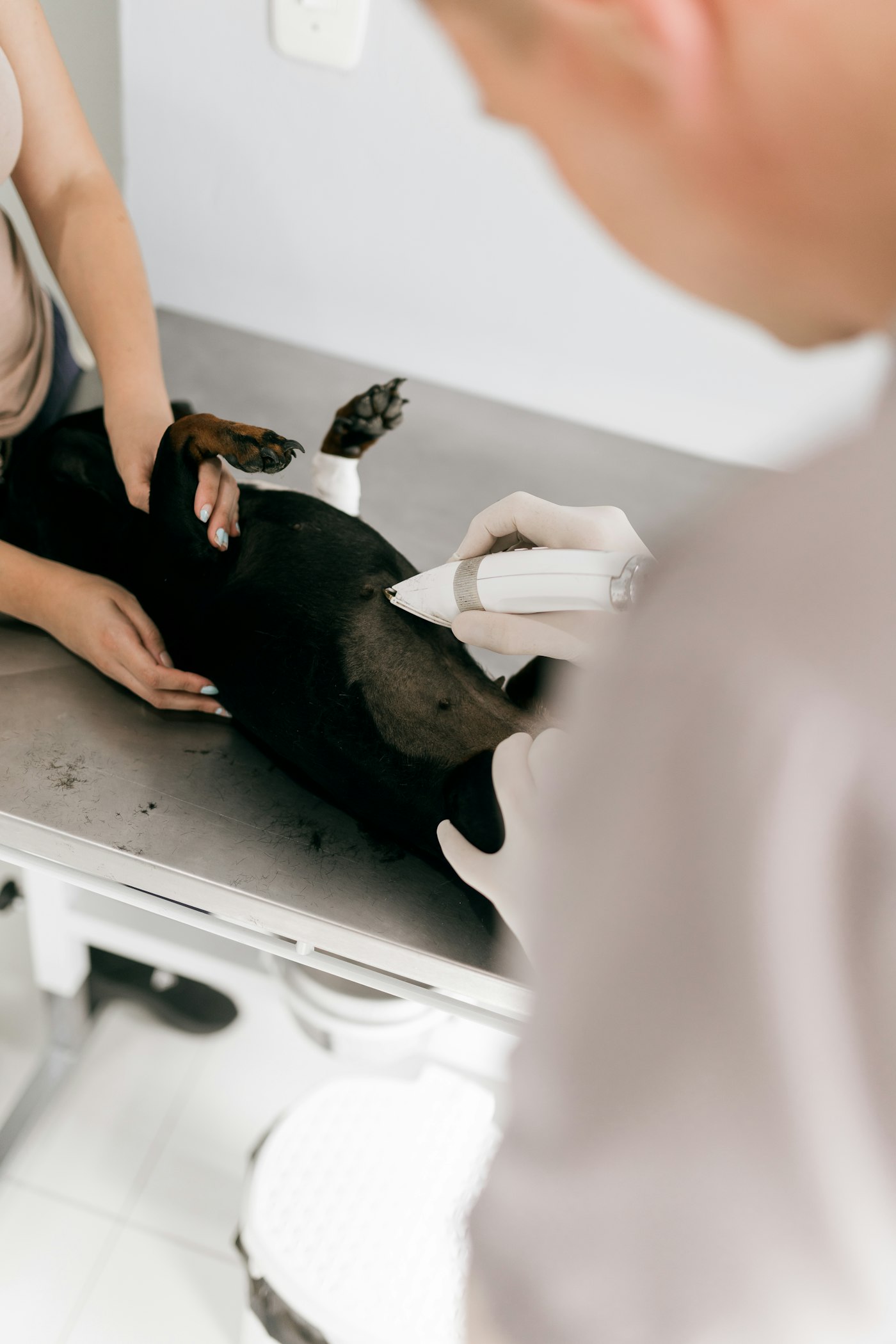
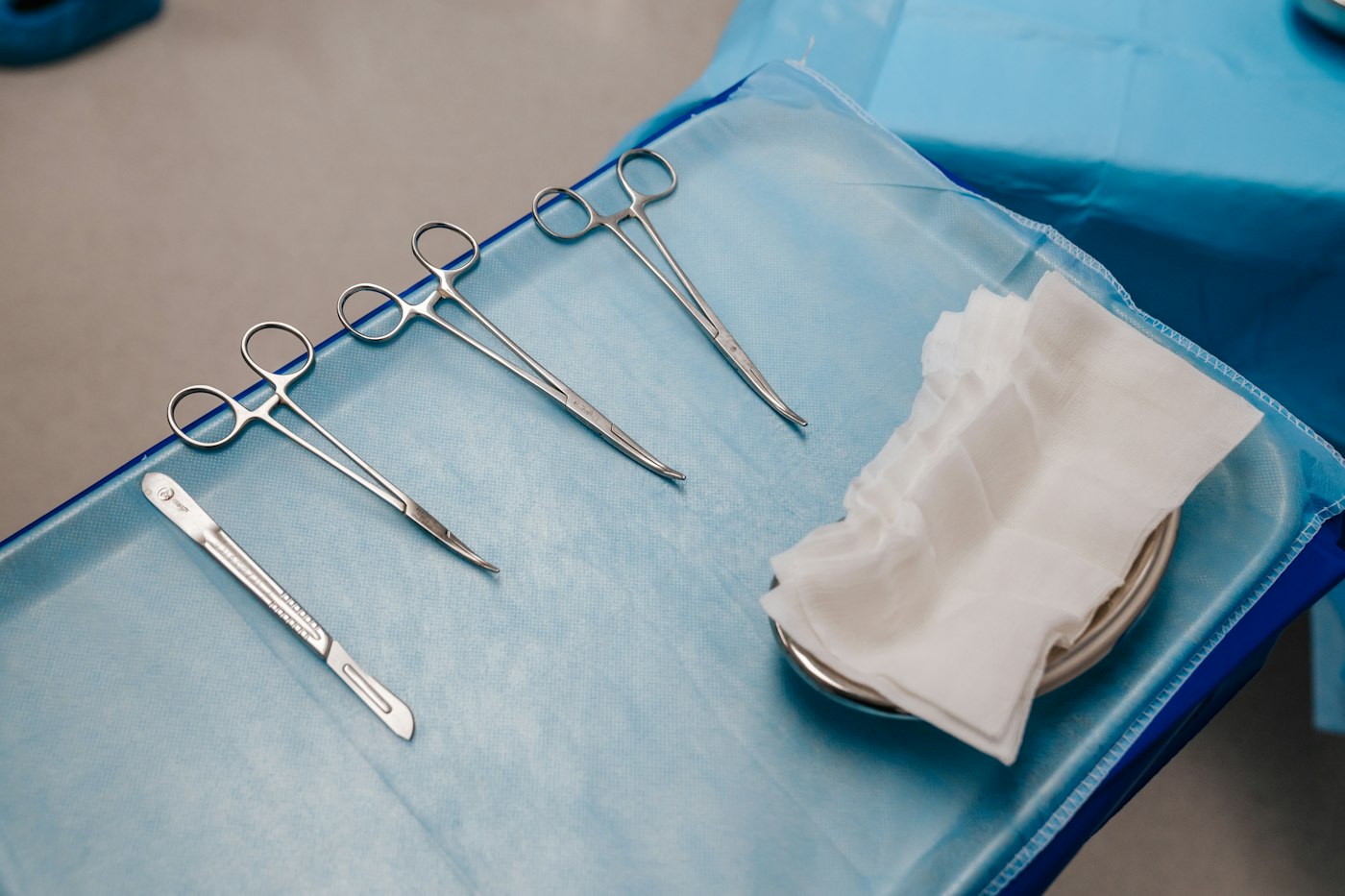
As pet owners, we want nothing but the best for our furry friends. However, sometimes our pets require medical treatment that can be stressful for both the owner and the animal. General anesthesia and surgery are two such treatments that can cause anxiety for pet owners. However, with proper veterinary care, anesthesia and surgery can be safe and effective in treating a wide range of health conditions in animals.
General Anesthesia: What Is It, and How Is It Used in Veterinary Medicine?
Anesthesia is a state of temporary unconsciousness induced by the administration of drugs that depress the central nervous system. The level of anesthesia can range from mild sedation to complete unconsciousness. General anesthesia is used in veterinary medicine to facilitate diagnostic procedures, such as radiographs, ultrasound, and endoscopy. Additionally, general anesthesia is also used for surgical procedures.
General anesthesia should only be administered by a licensed veterinarian after an extensive evaluation of the patient’s health, medical history, and current condition. A thorough physical examination, blood tests, and other diagnostic tests are required, to ensure that the animal is healthy enough for anesthesia.
Surgery: When Is It Required, and What Are Its Benefits?
Surgery is often recommended in situations where medications or other non-invasive treatments aren’t sufficient to treat an animal’s condition. Examples of conditions that may require surgery include cancer, fractures, and internal organ damage or failure.
Surgery can be highly beneficial for animals. It can alleviate pain, improve quality of life, and prevent the development of more severe health conditions. Additionally, surgery can be a lifesaving procedure in life-threatening situations, such as when a pet has an obstruction in its airway or gastrointestinal tract.
The Importance of Proper Veterinary Care in Anesthesia and Surgery
While both anesthesia and surgery can be highly beneficial to pets and their owners, it’s crucial to ensure that your pet receives appropriate veterinary care from licensed and experienced professionals. Choosing the right veterinary hospital is essential, as they will have the necessary experience and equipment to provide standard anesthesia and surgical procedures.
Vets should follow stringent protocols to ensure that animals undergoing anesthesia or surgery are kept safe. The protocol includes the use of advanced monitoring technologies, including pulse oximeters, ECG monitors, blood pressure monitors, and temperature monitors. An experienced veterinary team should perform daily checkups and postoperative care to ensure that the animals’ recovery process is smooth.
Additionally, veterinarians and their medical teams should inform pet owners about the risks associated with anesthesia and surgery. Owners should understand the importance of keeping their pets fasted before surgery, the need for follow-up appointments, and the importance of monitoring their pet’s behavior post-surgery.
Take Away
General anesthesia and surgery are beneficial medical treatments that can improve the lives of pets. By ensuring that your pet receives proper veterinary care, you can rest assured that they are in the best hands. At a 24-hour emergency animal hospital, licensed and experienced veterinary professionals are available to provide top-notch medical services for your pet, regardless of the time of day. So, if your pet requires emergency care that includes general anesthesia or surgery, don’t hesitate to contact an emergency animal hospital.
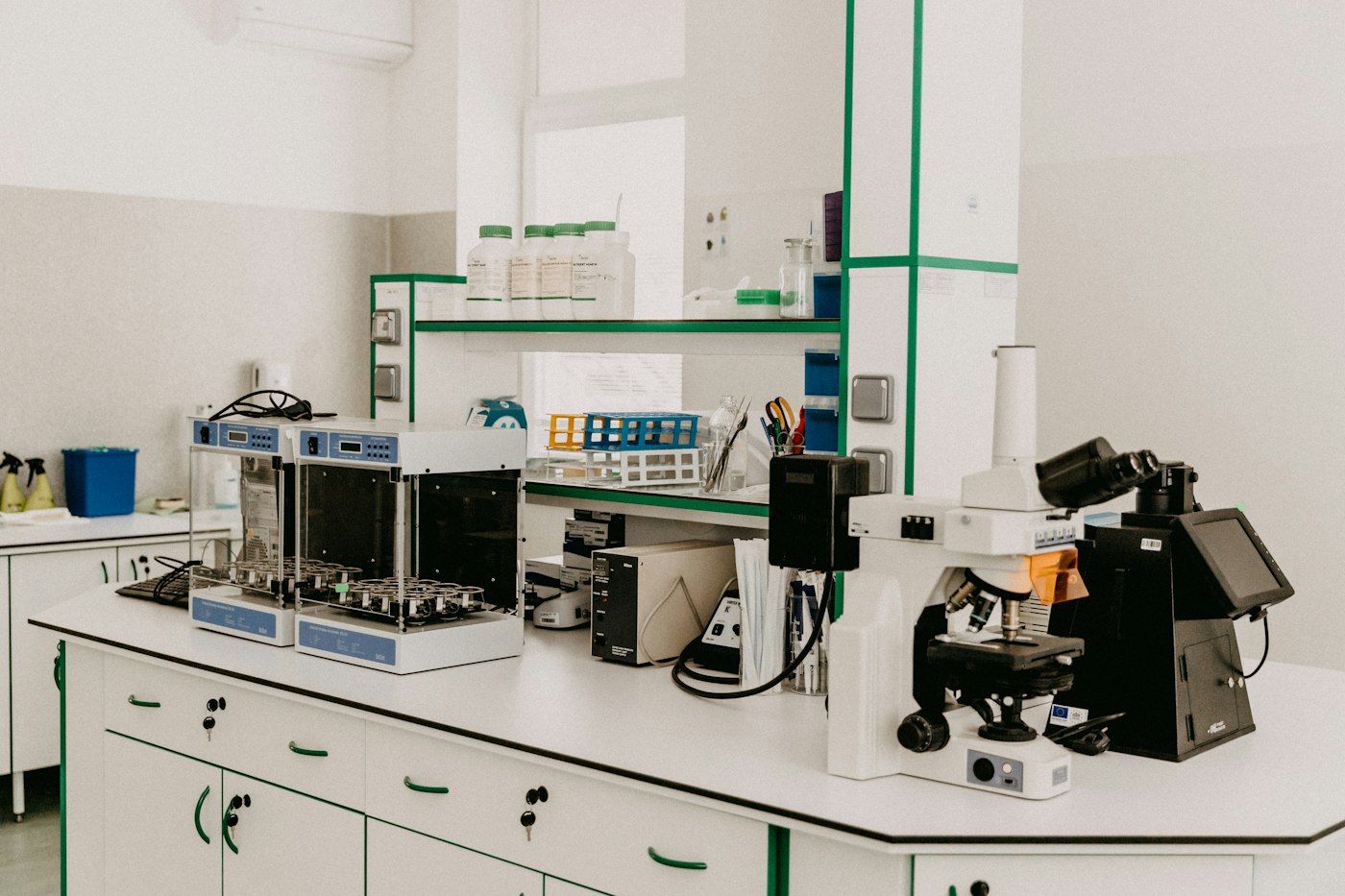
When it comes to the health and well-being of our furry friends, time is of the essence. This is why having access to on-site laboratory diagnostics is so important – it can mean the difference between life and death for an animal in need of urgent medical attention. At our 24-hour emergency animal hospital, we understand the importance of timely and accurate diagnostic testing, and we are proud to offer an extensive range of on-site laboratory services to support the emergency and critical care needs of our patients.
Speed When It Matters
One of the most significant benefits of having on-site laboratory diagnostics is speed. In an emergency situation, waiting for test results from a remote lab can be both time-consuming and frustrating. Our in-house lab can provide results almost instantly, allowing us to make fast and accurate diagnoses and begin treatment right away. With access to state-of-the-art equipment and experienced technicians, we are able to perform a comprehensive range of tests, including blood chemistry analyses, complete blood counts, urinalysis, and more.
Everything Under One Roof
Another advantage of on-site diagnostics is that it eliminates the need for our patients to undergo multiple trips to different facilities for testing and follow-up appointments. With everything located under one roof, we can provide more efficient and streamlined care, resulting in a better experience for both pets and their owners.
Accuracy and Precision
In addition to being convenient and efficient, on-site laboratory services also offer increased accuracy and precision. This is because samples are handled and tested in-house, reducing the risk of errors or misinterpretations that can occur during specimen transport or processing. By performing tests ourselves, we can ensure the most accurate and reliable results possible, leading to better and more effective treatment options for our patients.
When you bring your pet to our animal hospital, you can rest assured that they will receive the highest quality of care, including cutting-edge diagnostic testing. Our experienced veterinarians and staff are dedicated to providing the best possible care for our furry patients, and we are committed to staying at the forefront of veterinary medicine through ongoing training and education.
In Conclusion
On-site laboratory diagnostics play a critical role in the emergency and critical care of our furry friends. By providing timely, accurate, and comprehensive diagnostic testing, our 24-hour animal hospital can ensure that your pet receives the best possible care when they need it most. If you have any questions or concerns about our laboratory services, please don’t hesitate to give us a call. We are always here to help, no matter the time of day or night.
Digital radiography is a valuable diagnostic tool used in veterinary medicine to help veterinarians take clear and detailed images of the skeletal and soft tissues of your animal’s body to accurately evaluate their health condition. At a 24-hour emergency animal hospital, digital radiography provides both emergency and standard care to diagnose various conditions accurately.
How It Works
Digital radiography uses a digital sensor to receive the image, which is then processed and displayed on a computer screen. The process of taking an X-ray involves capturing radiation as it passes through the animal’s body onto the digital sensor. The radiographer then views the images on the computer in a matter of seconds, avoiding instances of loss or damage of the X-ray films that occurred in the past years.
Digital Radiography in an Emergency
Emergency animal hospitals provide digital radiography for various emergencies. For instance, an injured animal may need to undergo digital radiography to diagnose specific conditions such as bone fractures or internal organ damage. The fast processing of images enables veterinarians to make timely decisions and intervene in procedures like surgeries appropriately. In addition, pets with chronic diseases such as arthritis may have regular digital radiography examinations to evaluate their condition, monitor progression, and manage the condition.
The Benefits
Digital radiography has better image quality, is faster, and exposes both the animal and the veterinarian to less radiation, making it an increasingly popular choice. This also means that veterinary professionals can operate with more precision, enhanced accuracy, and often with less time to make a diagnosis and deliver treatment than traditional X-rays. Additionally, digital radiography allows veterinarians to share images, facilitating collaboration with other specialists, and leading to better animal health outcomes.
In Summary
Digital radiography has revolutionized the diagnostic process due to its numerous benefits, including quick imaging processing, better image quality, reduced exposure to radiation, and sharing capabilities. These benefits make it an excellent tool for diagnosing and treating various animal conditions. If your pet needs emergency medical attention, contact an emergency animal hospital that provides digital radiography services, and give your companion animal expert care.