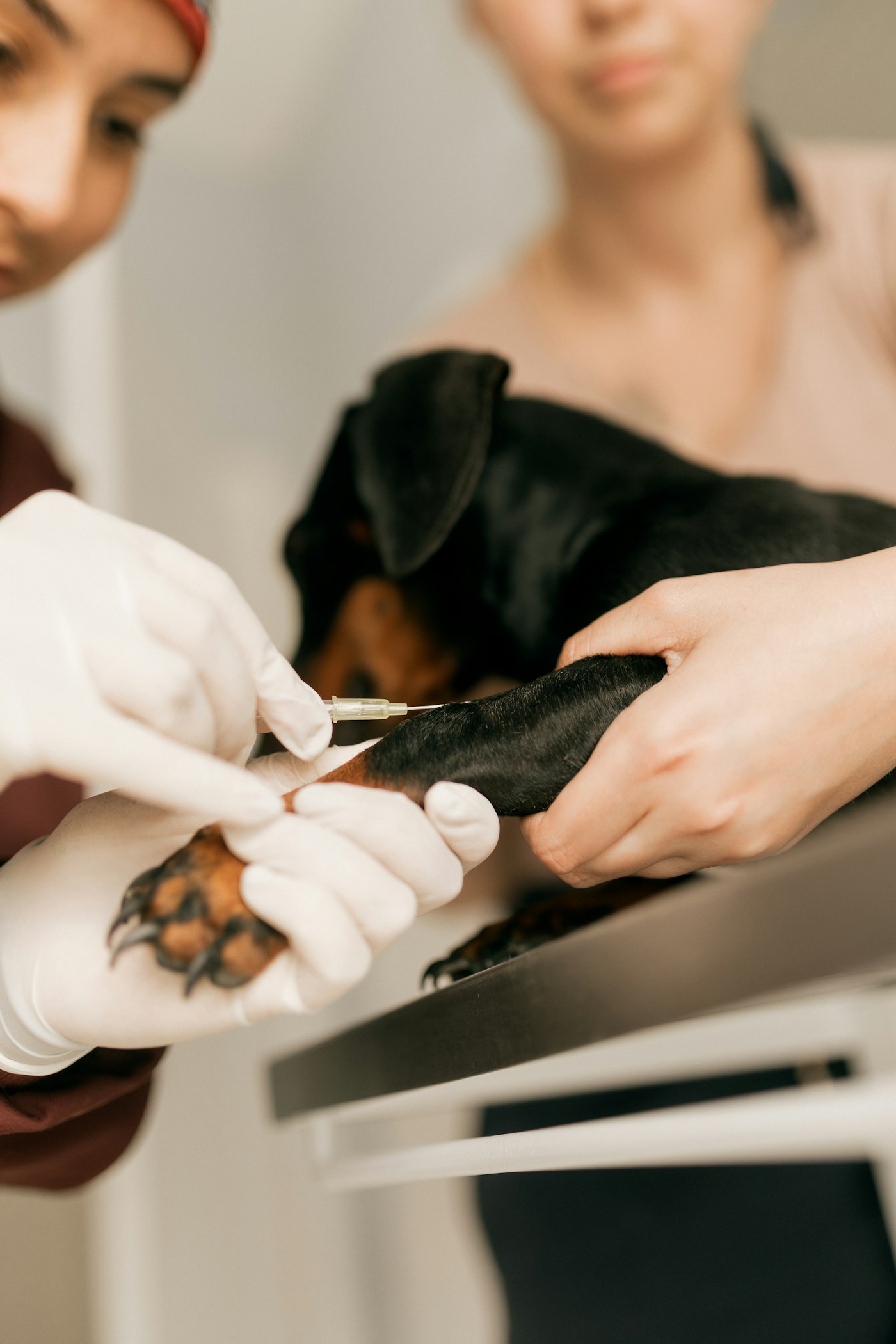
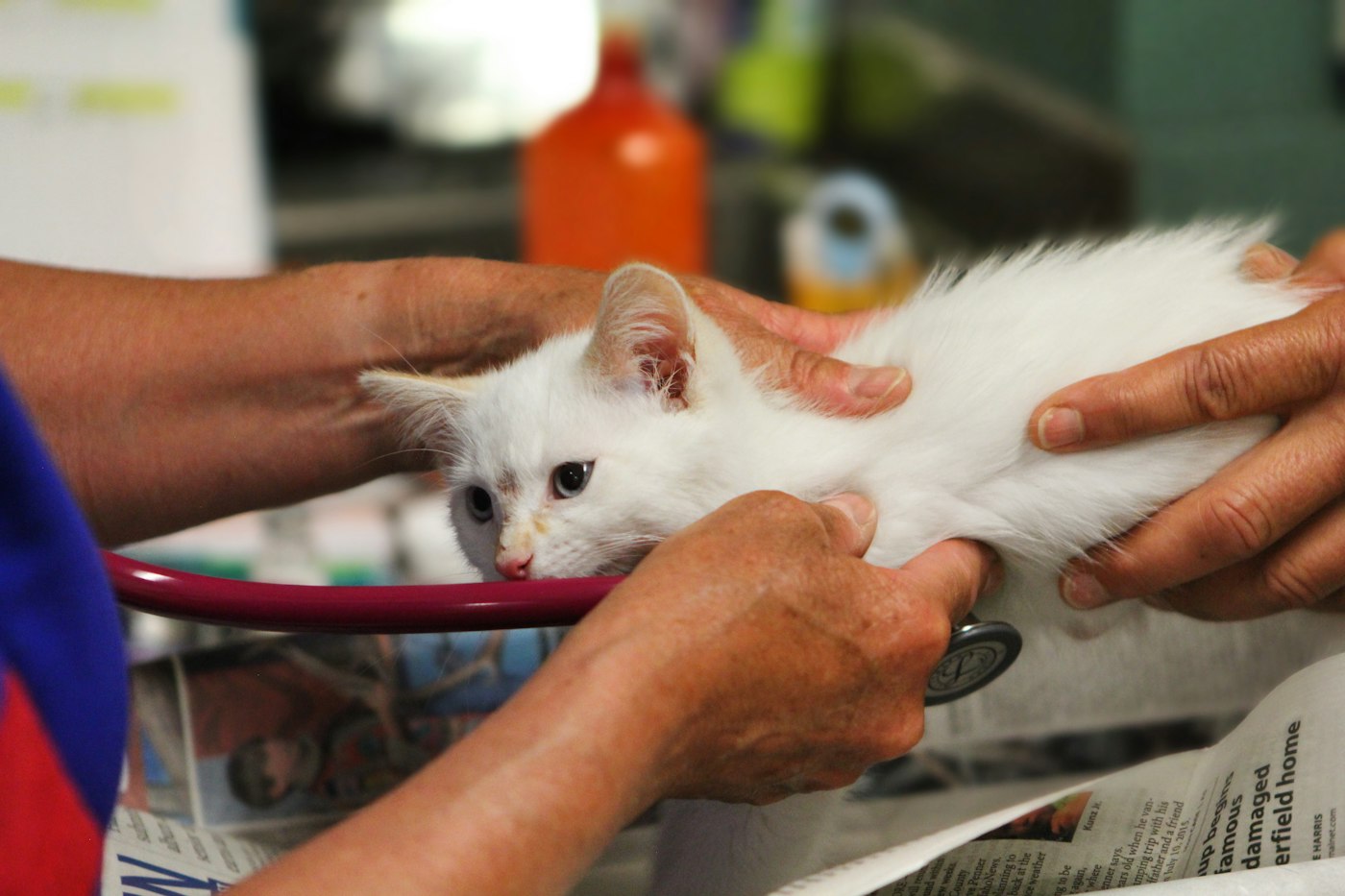
When an emergency strikes for your pet, you want to ensure that you have access to reliable and comprehensive emergency medical services. At a 24 hour animal hospital, you can rely on experienced veterinary professionals to provide emergency care for your pet even in the middle of the night or on weekends. Here’s what you can expect from the emergency medical services offered at a 24 hour animal hospital.
Immediate Exam and Diagnosis
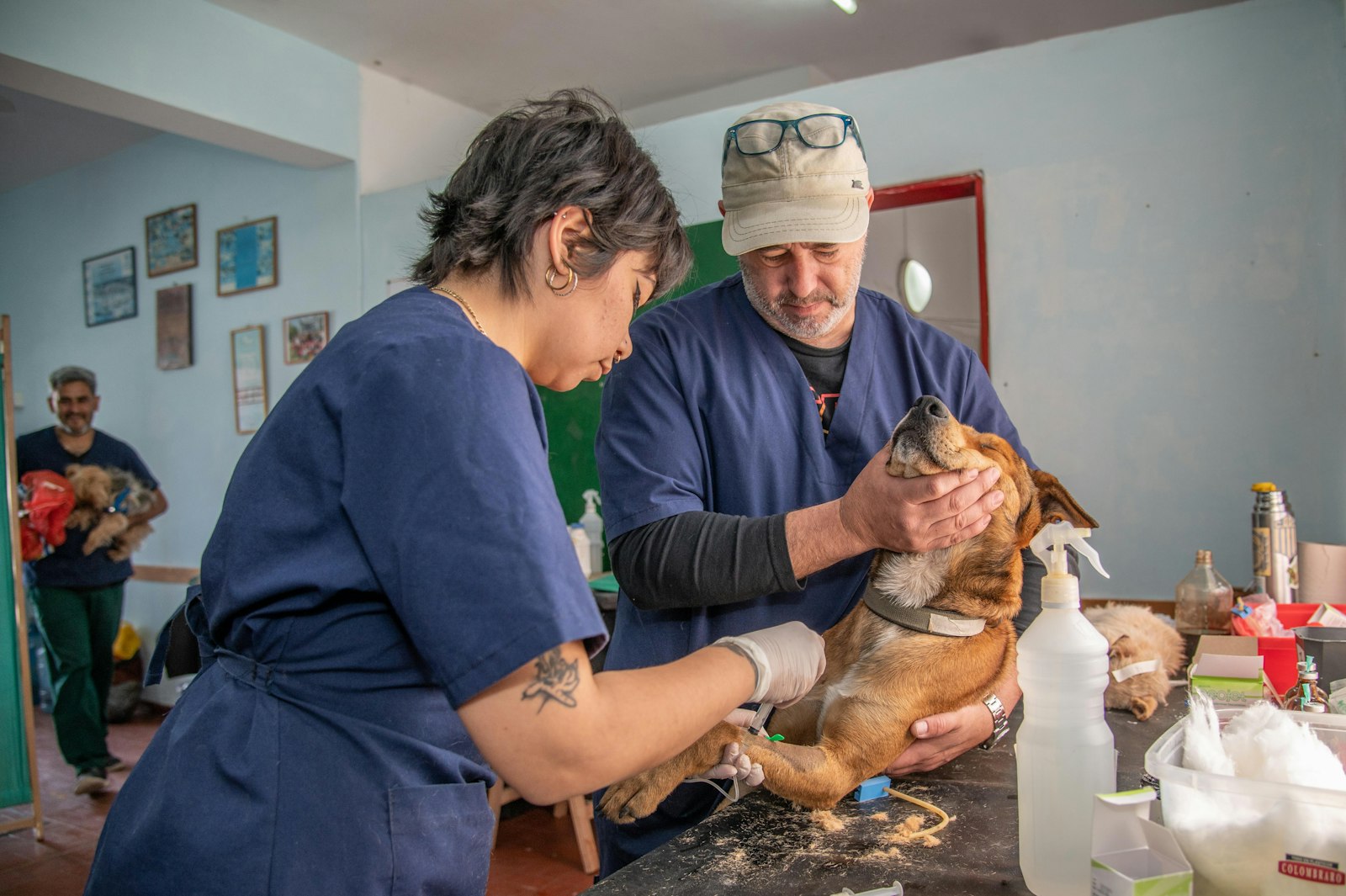
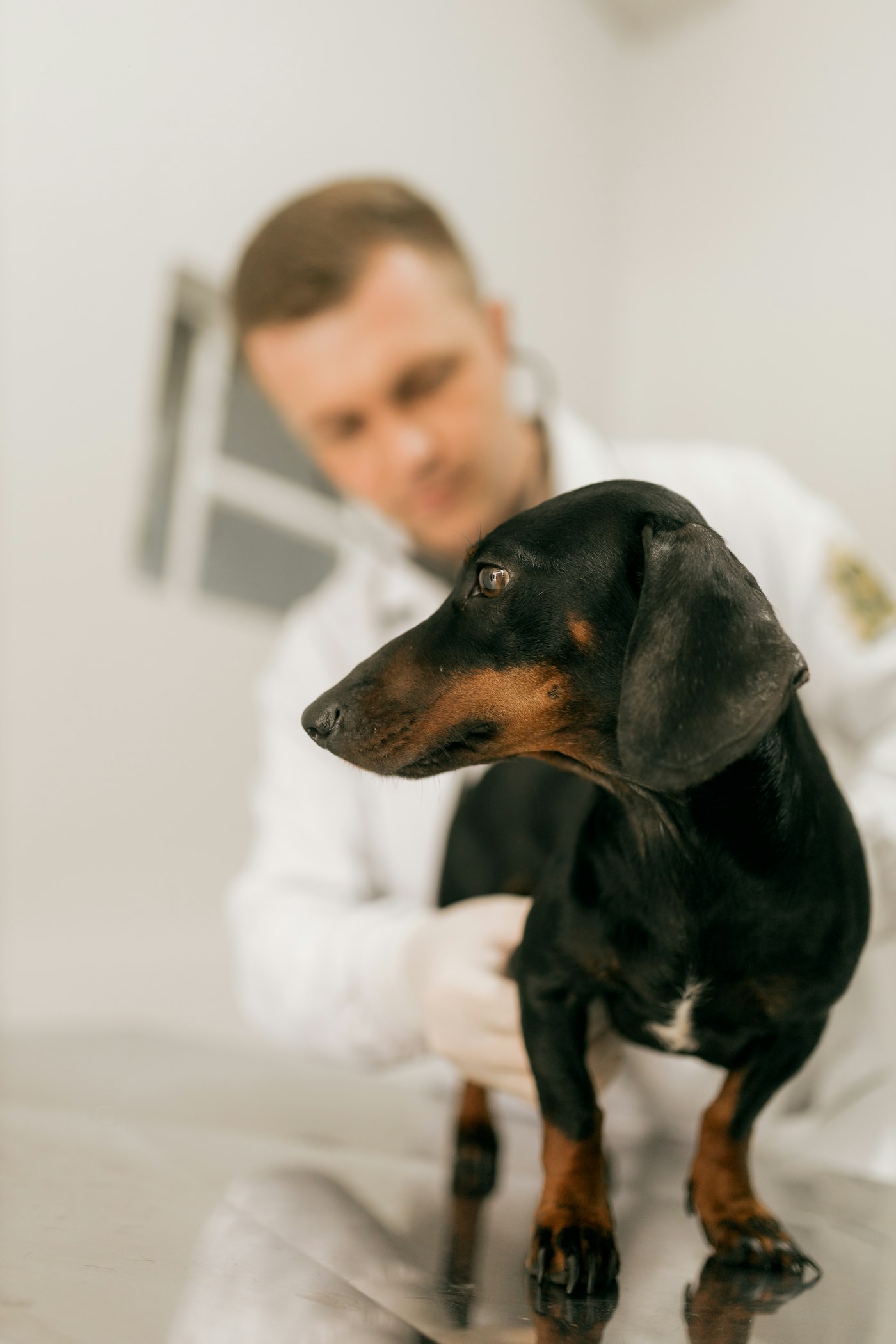
The first step in emergency medical services is an immediate exam and diagnosis of your pet’s condition. When you arrive at the animal hospital, a veterinary technician or assistant will take a brief history of your pet’s symptoms and gather any information you have about their medical history. Once this is done, a veterinarian will examine your pet.
This initial exam may include diagnostic procedures such as blood tests and x-rays to help determine the severity of your pet’s condition. Based on these findings, the veterinarian will be able to provide you with an informed diagnosis and a treatment plan.
Stabilizing Your Pet
If your pet is in a critical condition, stabilizing them will be the next step. This could involve administering oxygen, fluids, or other medications to ensure your pet’s vital signs improve and they become stable enough to undergo further treatment.
Emergency Medical Treatment
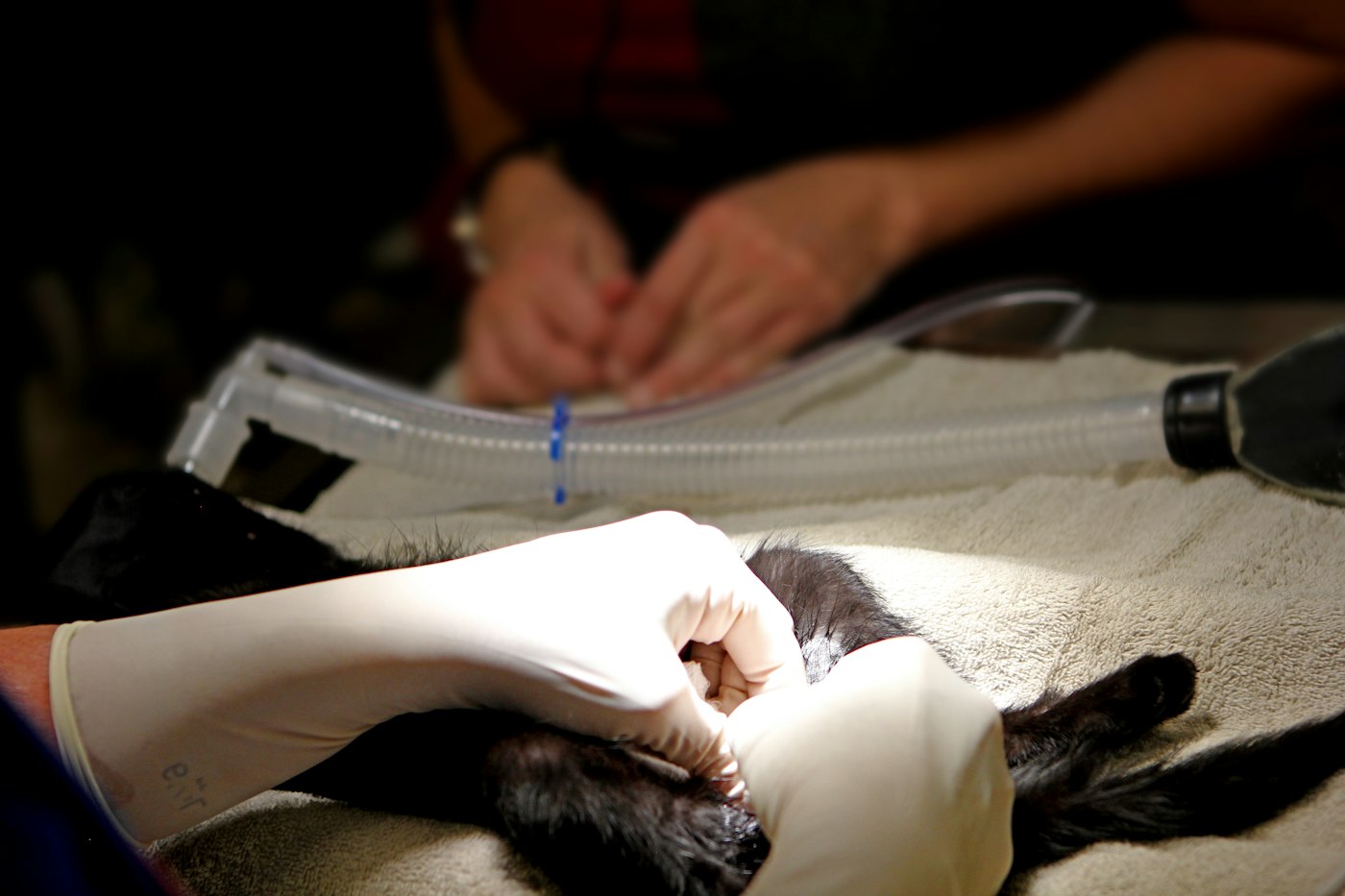
Once your pet has been evaluated, and their condition has been stabilized, emergency medical treatment will begin. Depending on your pet’s condition, this could involve a variety of medical procedures, including pain management, surgical interventions, or administration of medication.
In some cases, pets may require a specialized treatment plan that is beyond the scope of the 24 hour animal hospital. In such cases, the veterinary team will work closely with you to transfer your pet to a specialist or referral hospital.
Experienced and Skilled Veterinary Professionals
When it comes to emergency medical services, it’s essential to have a team of experienced and skilled veterinary professionals. The team at a 24 hour animal hospital consists not just of the veterinarians but also of veterinary technicians and assistants who are experienced in handling emergency situations.
These professionals are equipped with the necessary skills and knowledge to perform various medical procedures efficiently. Additionally, they can handle pets that are anxious, scared, or agitated because of their condition or the environment.
What to Do in an Emergency
In emergencies involving pets, it’s important to remain calm and focused. Having a plan in place before an emergency can help you act quickly and ensure your pet receives prompt medical attention.
Start by identifying the nearest 24 hour animal hospital and find out their hours of operation. In case of an emergency, make sure to call the hospital before your arrival to inform them of your pet’s condition and to better prepare for your arrival.
Final Thoughts
In emergencies involving pets, every second counts. Getting access to quality emergency medical services is essential for the well-being of your furry friend. Make sure you have your local 24 hour animal hospital on speed dial, so you can get in touch quickly when you need it the most.
Critical care
Hospitalization & Medical Care
Hospitalization for animals that require intensive care is one of the most critical services provided by a 24-hour emergency animal hospital. Every pet owner wants their pets to be healthy and happy, but sickness and accidents happen unexpectedly. In these situations, when your animal is injured or sick, quick medical attention could be critical and mean the difference between a full recovery or, unfortunately, serious injury and possibly death.
What Is Hospitalization?
Hospitalization is the process of keeping pets admitted to the hospital for an extended period to stabilize, monitor, diagnose, and treat medical conditions. The aim is to allow your beloved pet to heal and recover under the care of a professional team of veterinary doctors and staff who will monitor them around the clock. The veterinary team in the 24-hour emergency animal hospital ensures that the animal receives the utmost care to stabilize, comfort, and provide support during this challenging period.
Medical Care
Medical care is an essential part of the hospitalization process. It involves diagnostics, medical management, and treatment of your pet’s health problems. The medical team in the 24-hour emergency animal hospital specializes in diagnosing and treating many critical illnesses and injuries that may require urgent care like acute gastrointestinal diseases, bladder obstruction, severe allergies, seizures, and severe respiratory distress, to name a few.
Medical care for sick or injured pets may involve multiple procedures and therapies like intravenous fluids therapy, electrocardiography, medical pain management, respiratory support, blood transfusions, and many more, depending on your pet’s diagnosis. The veterinary team will ensure that medications are administered at the right time, and the patient is examined regularly to assess the efficacy of the treatment plan, change where necessary.
After Discharge
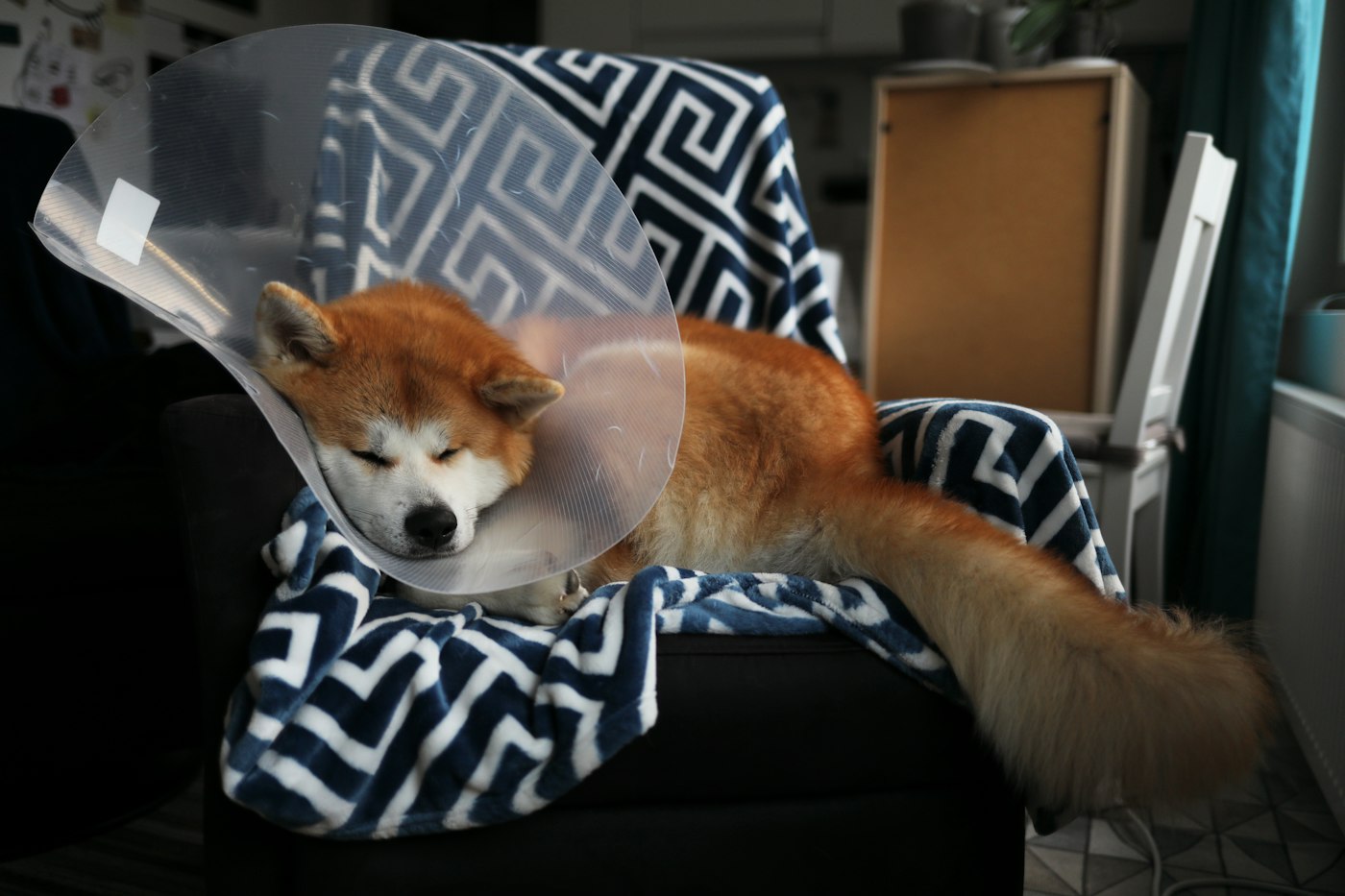
The hospitalization process does not end once the animal is discharged from the hospital. The team will set a follow-up appointment to determine the effectiveness of the previous treatment plan, adjust where necessary, and ensure your pet regains its vitality. The recovery process is vital to ensure your pet stays healthy and free from any incident.
In Conclusion
Hospitalization and medical care are essential services that 24-hour emergency animal hospitals provide to support and save the lives of sick or injured animals. It is a highly specialized process that involves skilled veterinary professionals, advanced medical equipment, and resources to provide the best care possible. Emergency animal hospitals ensure sick and injured animals receive the utmost attention by providing round the clock monitoring, care, and disease management to get them back on their feet. When the unexpected happens, it is comforting to know that emergency veterinary services are just a phone call away.
Breathing support
Oxygen Therapy
Oxygen therapy is a medical treatment that is essential in ensuring the wellbeing of animals suffering from severe respiratory distress. This procedure involves supplementing oxygen levels in an animal’s body to correct low oxygen levels, which are responsible for deteriorating vital organs and leading to a range of dangerous medical conditions.
At 24-hour emergency animal hospitals, oxygen therapy is a critical service that is offered to patients suffering from various medical conditions, including respiratory diseases, cardiac disease, and shock. Through this process, the animal’s breathing is stabilized, and their body organs are temporarily aided to stabilize as well.
How Oxygen Therapy Works
During oxygen therapy, an animal is kept in an enclosed chamber or a cage with a mask over its face so that it receives oxygen through a breathing tube. The oxygen is supplied through a tube that is attached to the mask, and the tubing connected to the mask has valves that allow the vet to adjust the amount of oxygen the animal receives.
The Benefits
The benefits of oxygen therapy cannot be overemphasized. During this procedure, the oxygen levels in the body are increased, which eventually helps in improving oxygenation of vital organs and various body tissues. Additionally, oxygen therapy helps to improve respiratory function, clears airways, reduces inflammation in the lungs and alveoli, and stabilizes heart function. As a result, animals undergoing oxygen therapy exhibit an improvement in their overall health and wellbeing.
Moreover, oxygen therapy is crucial in emergencies where an animal has experienced trauma due to an accident, electrocution, breathing obstruction, and other dangerous environmental factors. This treatment can be lifesaving in such cases since loss of oxygen can make the anesthesia process very complicated, leading to paralysis of the respiratory system.
In Conclusion
Oxygen therapy is a treatment that is not only vital, but also lifesaving to animals in distress. It is a procedure that offers an animal speedy and effective relief and helps them to start feeling better in no time. Pet owners should always seek the assistance of qualified professionals who are experts in animal care at emergency animal hospitals to ensure that their pets receive the best and most comprehensive care, including oxygen therapy, when necessary.
Rehydration
IV Fluid Therapy
IV fluid therapy is a lifesaving treatment for pets that suffer from dehydration or a lack of adequate hydration. Dehydration can occur for many reasons, including illness, injury, or exposure to extreme temperatures. It can have serious consequences for an animal’s overall health and well-being.
When a pet becomes dehydrated, their body loses essential fluids and electrolytes, compromising their ability to function normally. Without prompt treatment, dehydration can lead to organ failure, coma, and death. This is why it’s essential to seek emergency veterinary care if you suspect your pet may be dehydrated.
What is IV Fluid Therapy?
IV fluid therapy is a treatment that involves administering fluids directly into a pet’s bloodstream through an IV catheter. The fluids are carefully balanced to provide the right amount of hydration and electrolytes needed to restore a pet’s normal bodily functions.
IV fluids are typically made up of a combination of saline solution, glucose, and electrolytes, including sodium, potassium, chloride, and calcium. The specific mix of fluids will depend on a pet’s individual needs and the severity of their dehydration.
How Does IV Fluid Therapy Work?
IV fluid therapy works by rehydrating pets that have lost fluids and electrolytes due to illness, injury, or other factors. The fluids are absorbed quickly into the bloodstream, providing rapid relief to pets suffering from dehydration.
The fluids help to restore a pet’s hydration levels, which can improve their overall health and well-being. In addition, IV fluids can help to flush toxins and waste products from a pet’s system, which can improve their recovery time and reduce the risk of further complications.
When is IV Fluid Therapy Necessary?
IV fluid therapy is necessary when a pet’s dehydration is severe enough to compromise its health and well-being. Signs that your pet may be dehydrated include:
Sunken eyes
Dry mouth and nose
Lethargy
Loss of appetite
Vomiting or diarrhea
Rapid heart rate
Pale gums
Weakness or collapsing
If you notice any of these signs, it’s essential to seek emergency veterinary care immediately. Your veterinarian can perform a full diagnostic workup and determine if IV fluid therapy is necessary to rehydrate your pet.
Take Away
IV fluid therapy is a vital treatment for pets that suffer from dehydration. By restoring a pet’s hydration levels, IV fluids can help improve their overall health and well-being, reduce the risk of organ failure, and speed up their recovery time. If you suspect that your pet may be dehydrated, seek emergency veterinary care immediately to prevent serious complications.
Respiratory care
Nebulization Therapy
Nebulization therapy, also known as aerosol therapy, is a non-invasive way of delivering medication directly to the lungs through inhalation. This mode of administration is especially useful for respiratory conditions like asthma, chronic obstructive pulmonary disease (COPD), and pneumonia. Veterinary medicine has embraced nebulization therapy as a viable option for treating a variety of respiratory illnesses in dogs, cats, and other companion animals. At our 24-hour emergency animal hospital, we have a specially trained nebulization team that ensures your furry friend’s respiratory distress is addressed as efficiently as possible.
How Nebulization Helps
When your pet is brought in for evaluation, our veterinary team assesses the severity of the condition to determine the most appropriate interventions. Nebulization therapy is one such intervention that can help alleviate symptoms such as coughing, wheezing, panting, and labored breathing. Our nebulization unit comprises a compressor, nebulizer chamber, and a medication reservoir. The compressor generates compressed air that is passed through the medication reservoir and converted into a fine mist that can be inhaled easily. The nebulizer chamber holds the medication, which is typically a bronchodilator or a corticosteroid, in the form of a liquid or powder. These medications act on the airways to reduce inflammation, open up constricted air passages, and improve oxygen flow, thereby relieving respiratory distress.
Safe and Well-Tolerated
Nebulization therapy is a well-tolerated and safe procedure when performed correctly by trained professionals. Pet owners can be reassured that our veterinary team follows standardized protocols for administering nebulized medications to ensure optimal outcomes. We use only high-quality, pharmaceutical-grade medications that are known to be effective and have minimal side effects. The duration and frequency of nebulization therapy depend on the underlying medical condition, the pet’s clinical response, and the veterinarian’s recommendations. Most cases require nebulization therapy every 4-6 hours for several days or until the condition stabilizes, after which maintenance therapy may be initiated.
In Summary
Nebulization therapy is a valuable tool in the management of respiratory conditions in pets. It is particularly useful in cases where oral medications may not be well-tolerated or when an immediate response is needed. At our 24-hour emergency animal hospital, we have a dedicated nebulization team that is equipped to handle a range of respiratory conditions in dogs, cats, and other companion animals. We work closely with pet owners to ensure that their furry friends receive the best possible care and support during their recovery. Contact us at any time if you have concerns about your pet’s breathing or respiratory function.
For questions, call
So when time counts, you know you can trust St Francis.